Jerusalem
Capital · Jerusalem → Jerusalem, Israel
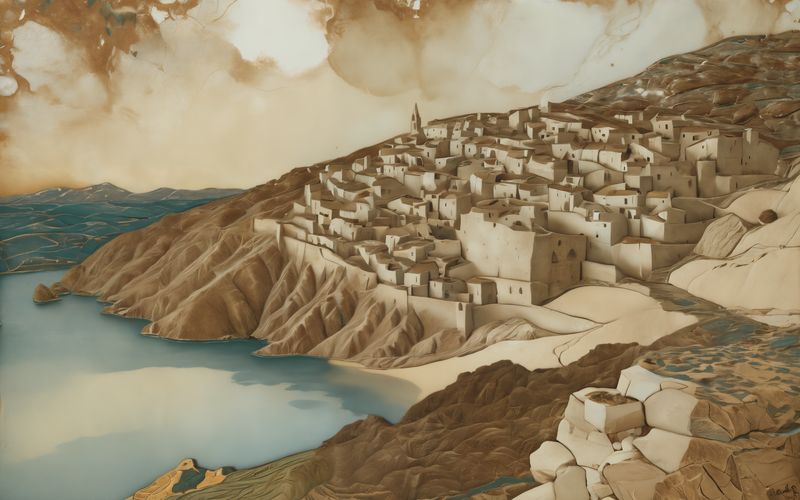
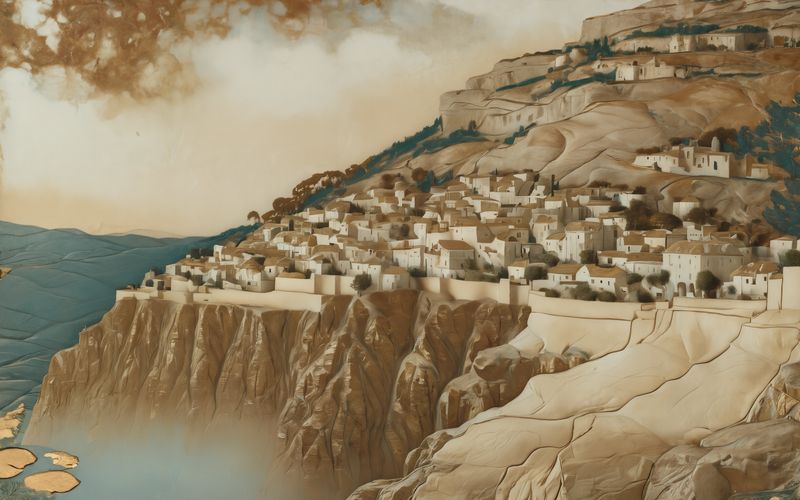
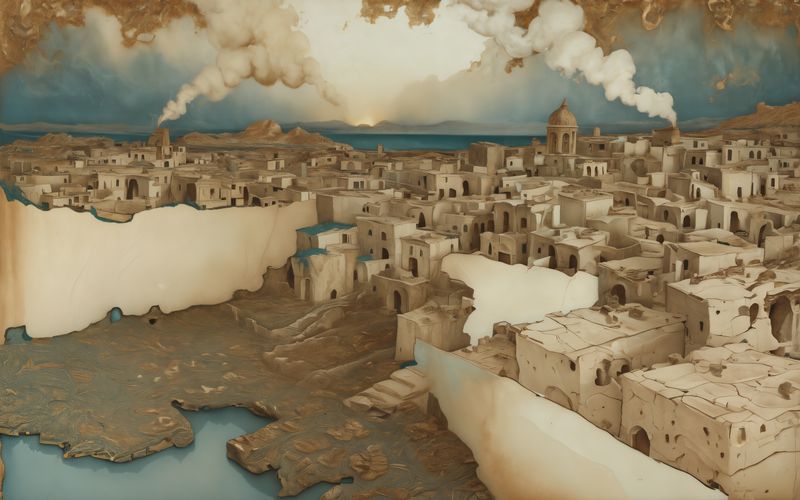
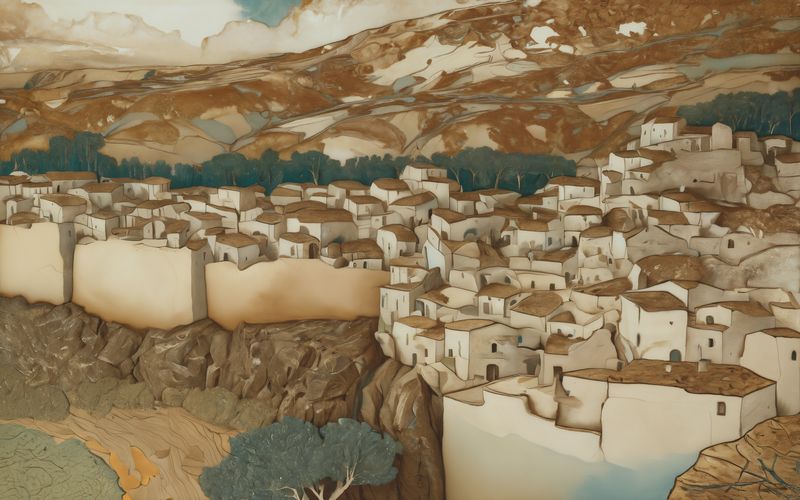
David took this hill fortress and made it his capital. Solomon built the temple here, and the city carried the kingdom’s hope.
People
- Melchizedek
- David
- Solomon
- Hezekiah
- Isaiah
- Jeremiah
- Nehemiah
- Jesus
At a glance
- Realm
- Judah, heart of united Israel
- Role
- Royal capital, house of the LORD
- Peoples
- Jebusites, then Israel
- First mention
- Genesis 14 (Salem)
The story
Under Melchizedek it was Salem, the city of the priest-king who blessed Abraham. When David took the Jebusite fortress on Zion he made it the city of his throne, and Solomon crowned its ridge with the temple, so that all the tribes went up to the place the LORD had chosen for His name.
The city stood through the Assyrian siege in Hezekiah’s day but fell to Babylon in 586 BC, its temple burned and its people carried away. Under Zerubbabel and Nehemiah the exiles came home to rebuild the house and the wall, and the prophets kept pointing past the rubble to a greater Son of David who would one day enter His city.
Through the eras
- The Patriarchs · standing. Salem in those days, where Melchizedek met Abraham with bread and wine.
- Conquest & Judges · standing. The Jebusites held this stronghold; Israel could not drive them out.
- The United Kingdom · at its height. David’s city; Solomon’s Temple stands on Moriah.
- Divided Kingdoms · standing. Capital of Judah alone; it outlived Sennacherib’s siege in 701 BC.
- The Exile · in ruins. Burned by Nebuchadnezzar’s army in 586 BC; the Temple with it.
- The Return · rebuilt. Rebuilt by the returned exiles; the Second Temple finished c. 515 BC.