The Exile
586 BC · one of the six stops on the atlas era rail
Slide the atlas to the Exile era and the map redraws itself as the world stood in 586 BC: cities rise to their height, fall to ruin, or have not yet been built. Every change below comes from the era notes written for this stop.
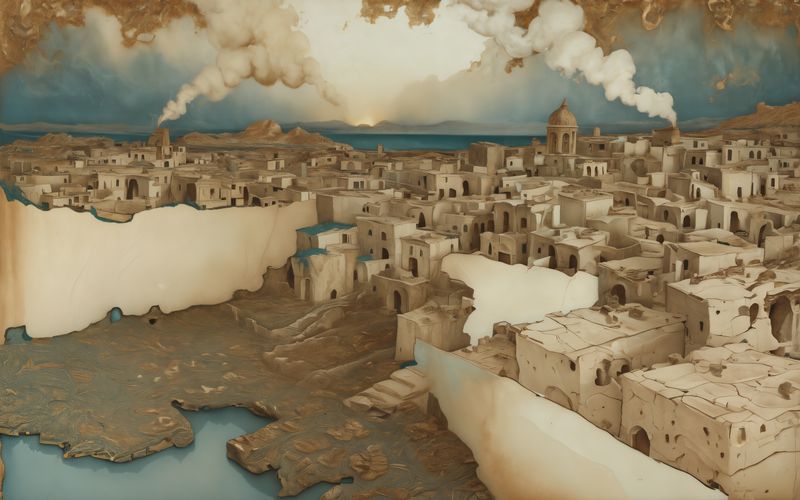
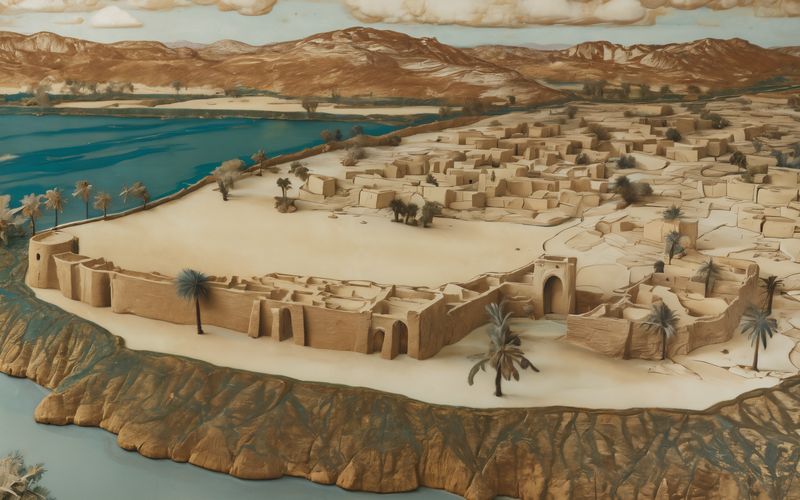
Painted vignettes
The map at this stop
- Jerusalem · in ruins. Burned by Nebuchadnezzar’s army in 586 BC; the Temple with it.
- Jericho · standing. Zedekiah was overtaken in these plains as Jerusalem fell.
- Shiloh · in ruins. Men from Shiloh still went up with offerings after Jerusalem fell.
- Samaria · standing. Rebuilt as an Assyrian provincial seat; peoples from the east were settled on its hill.
- Nineveh · in ruins. Fell in 612 BC to Babylon and the Medes, as Nahum foretold.
- Babylon · at its height. Nebuchadnezzar’s golden city; Judah wept by its waters.
- Haran · standing. Assyria’s last kings made their stand here after Nineveh fell, until 610 BC.
- Hazor · in ruins.
- Susa (Shushan) · standing. In vision Daniel stood here, by the river Ulai.
- Damascus · standing. It lived on as a provincial city under Assyria and then Babylon.
- Dan · absent from the map.
- Bethel · standing. The town outlived its altar, which Josiah had broken down.
- Megiddo · standing. King Josiah fell here in battle against Pharaoh Neco in 609 BC.
- Lachish · in ruins. Burned by Babylon; with Azekah it was among the last of Judah’s cities to fall.
- Tyre · standing. Nebuchadnezzar pressed the island city thirteen years, yet it stood.
- Thebes (No-Amon) · in ruins. Sacked by Ashurbanipal of Assyria in 663 BC; Nahum held its fall before Nineveh.
The wonders
- The Temple · in ruins. Burned with the city; its treasures carried to Babylon.